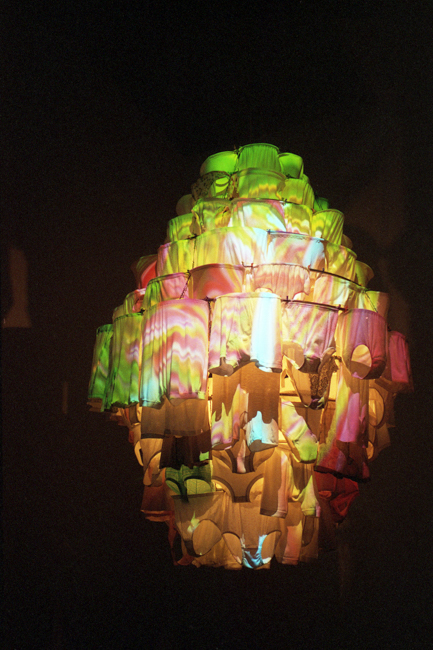
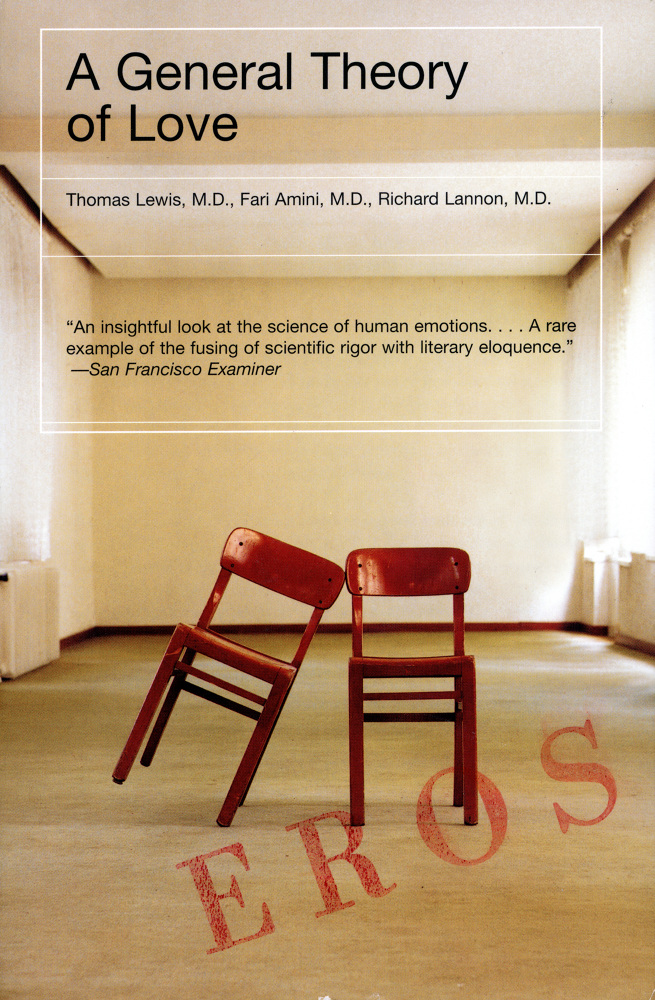
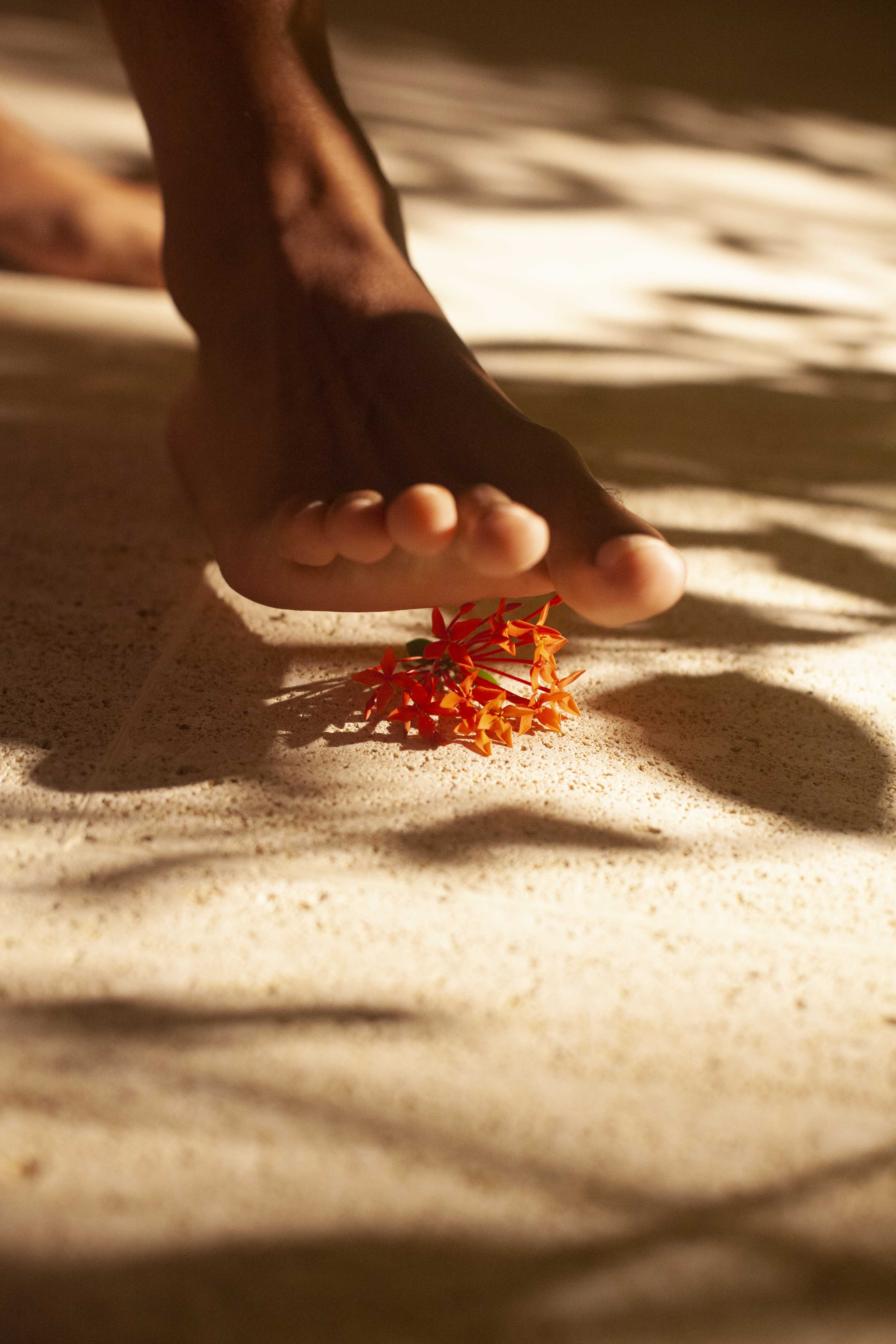
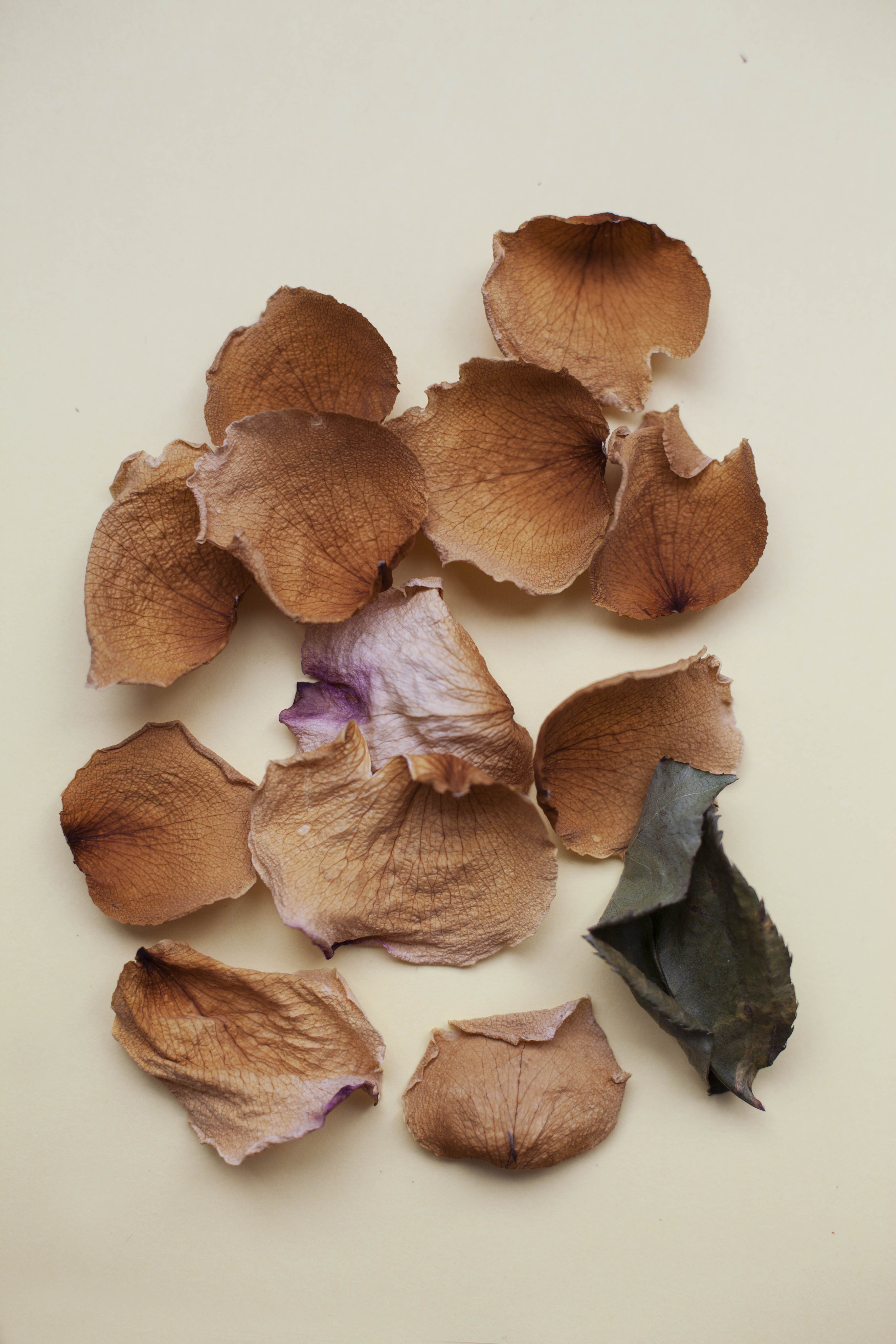
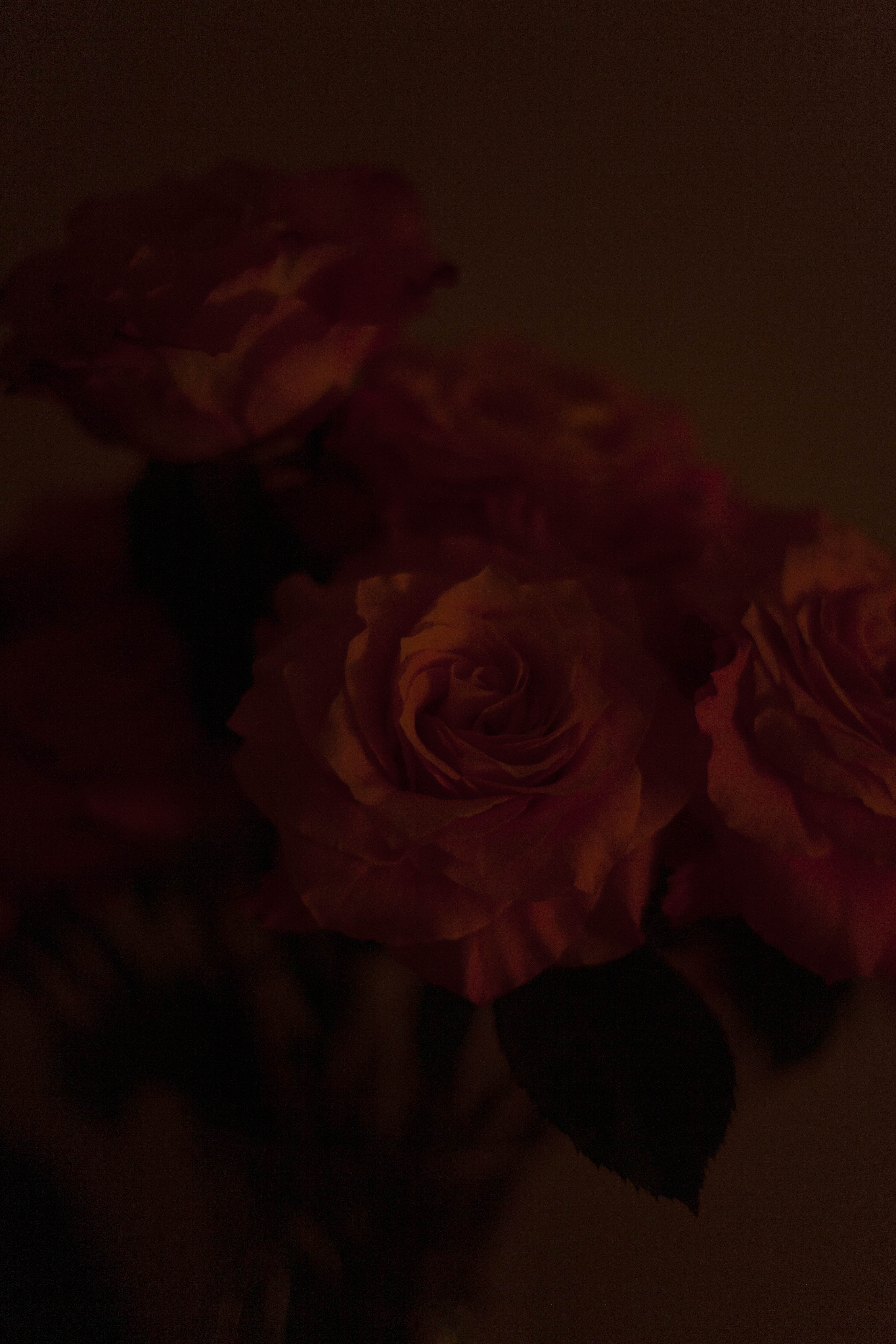
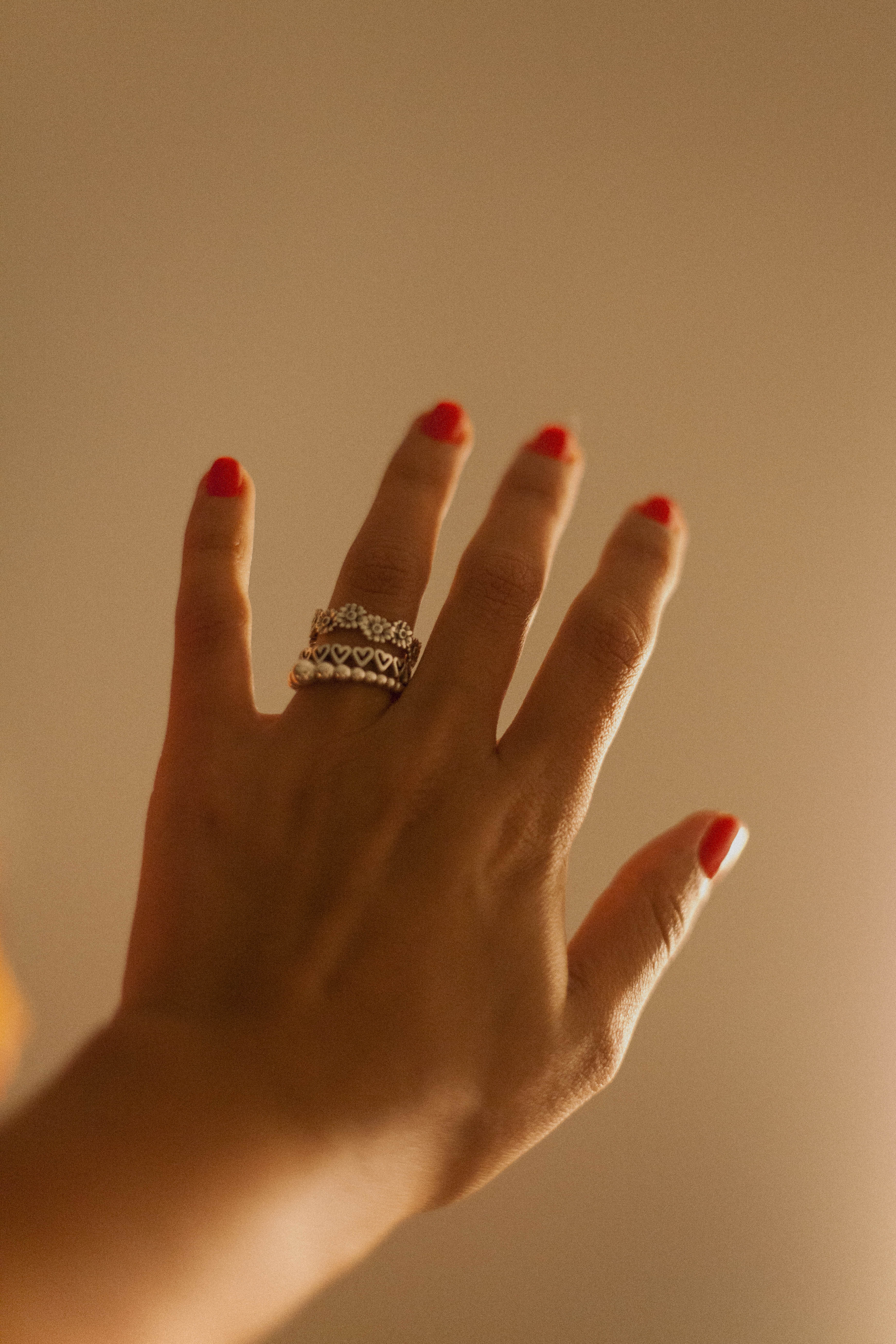
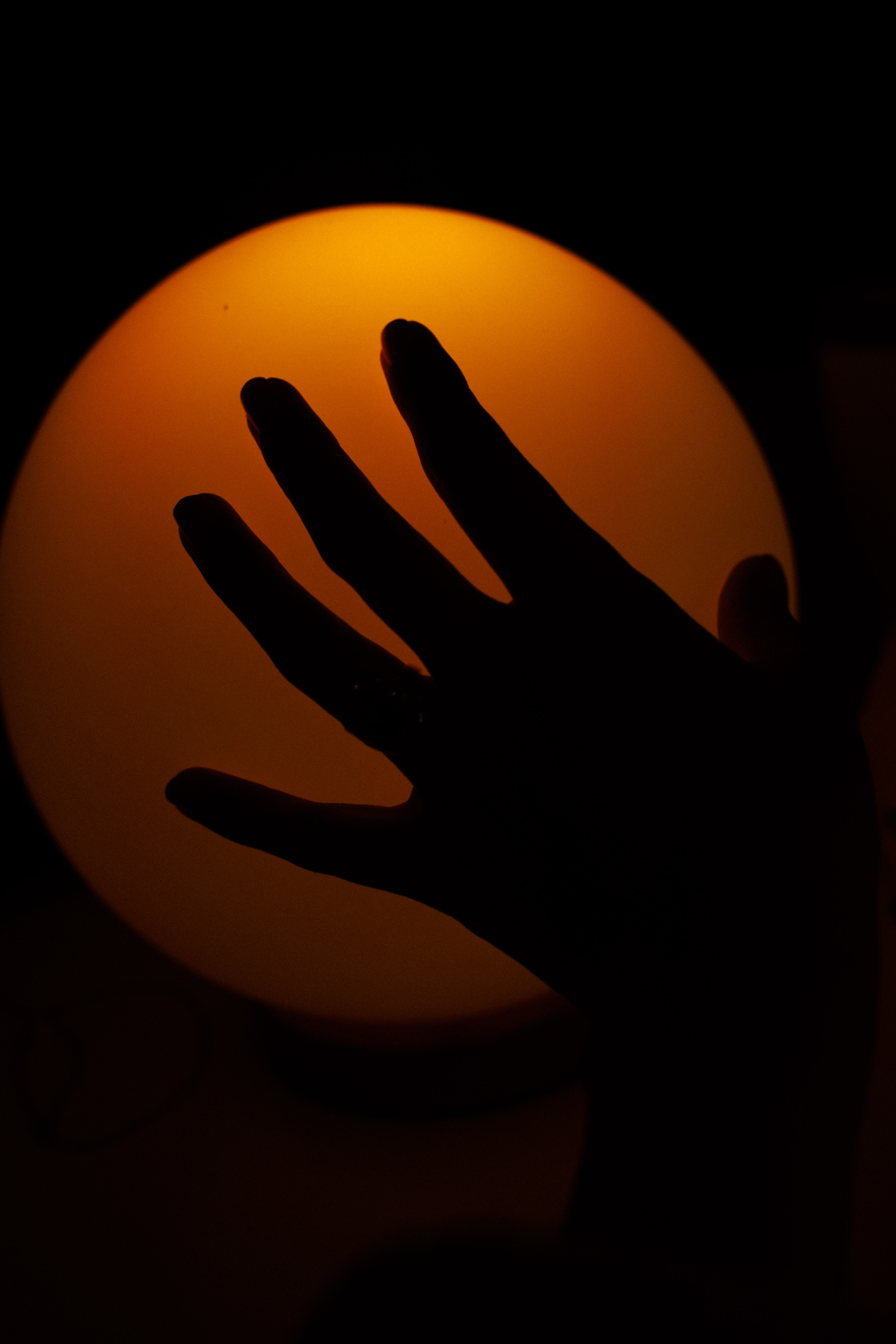
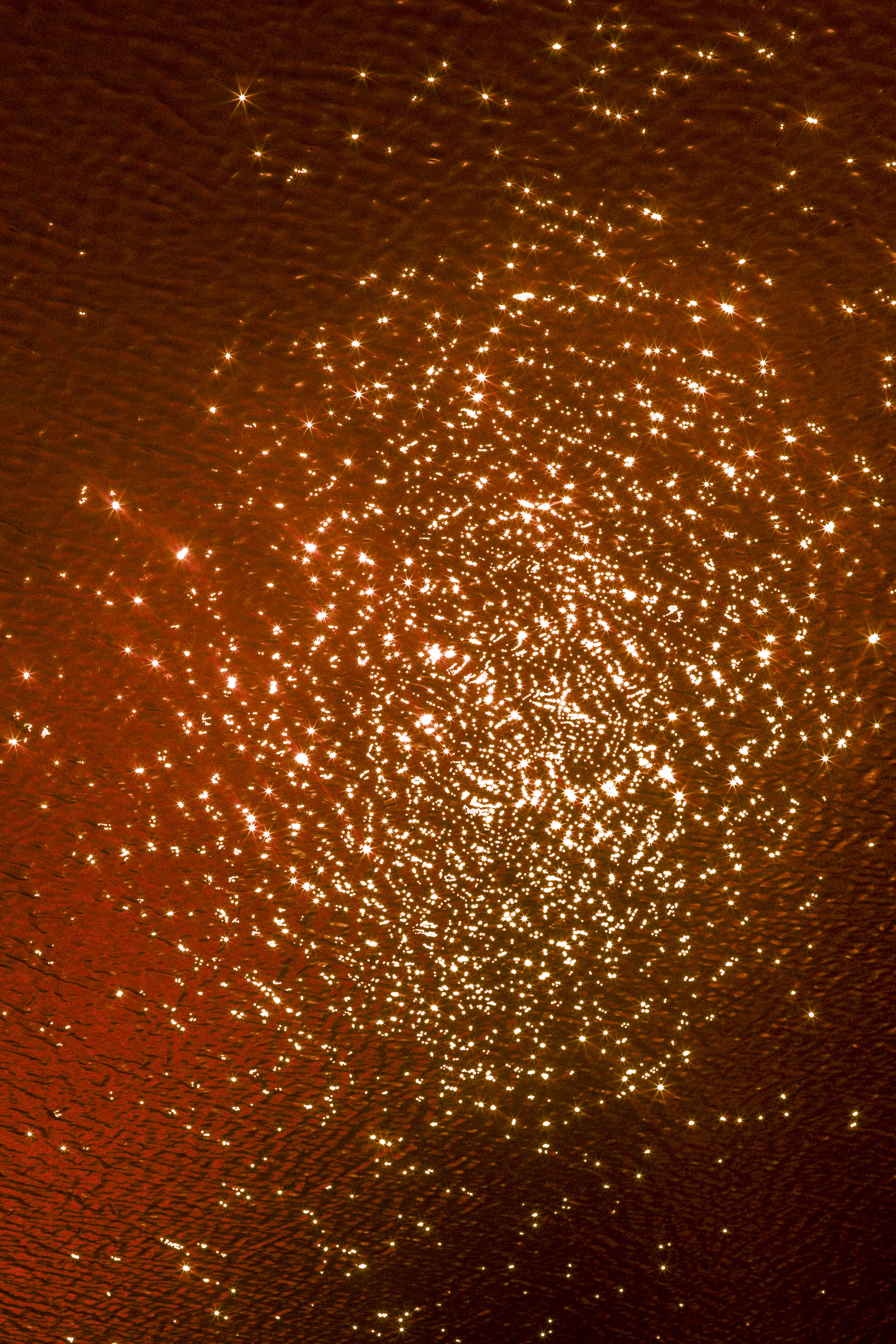
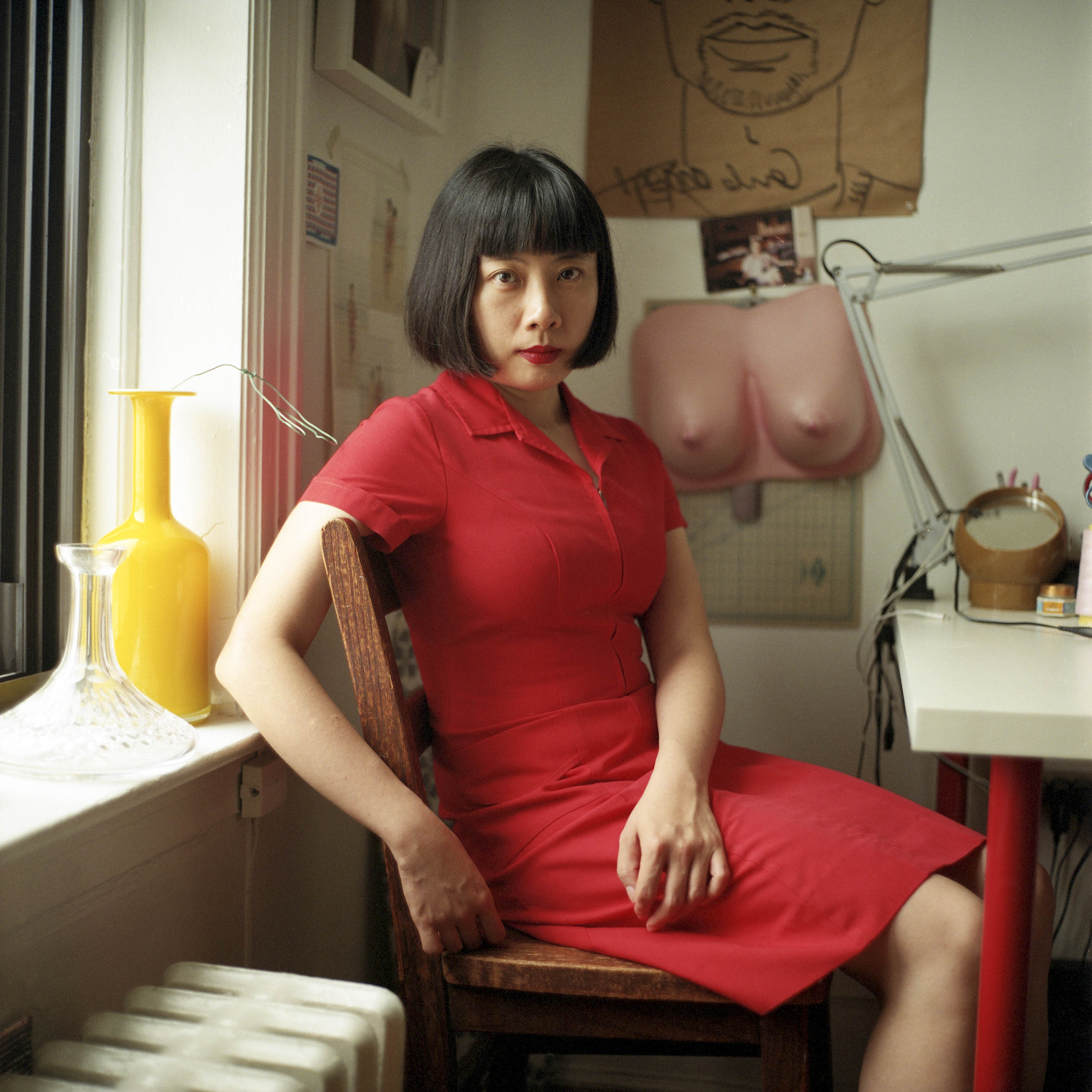
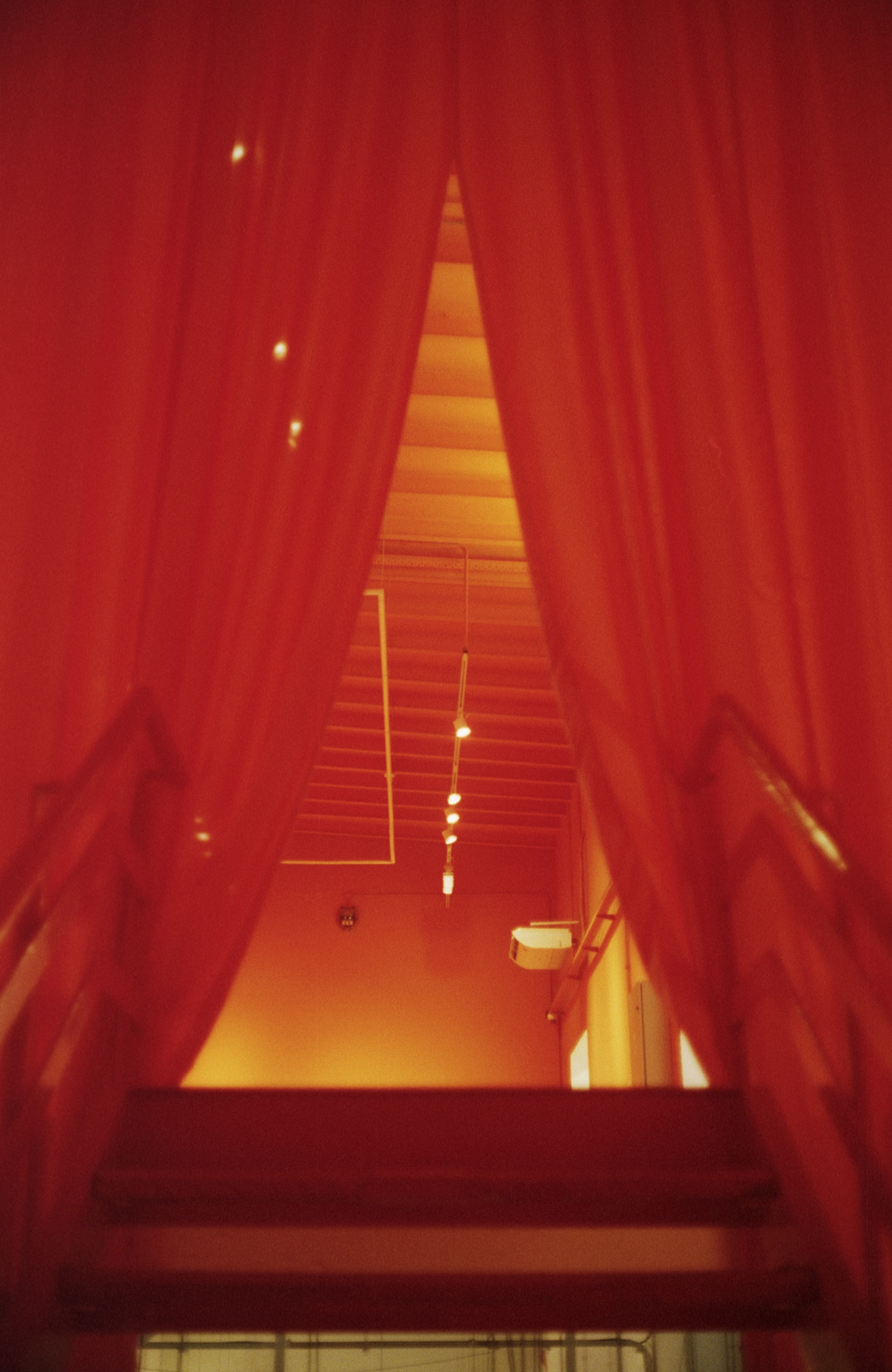
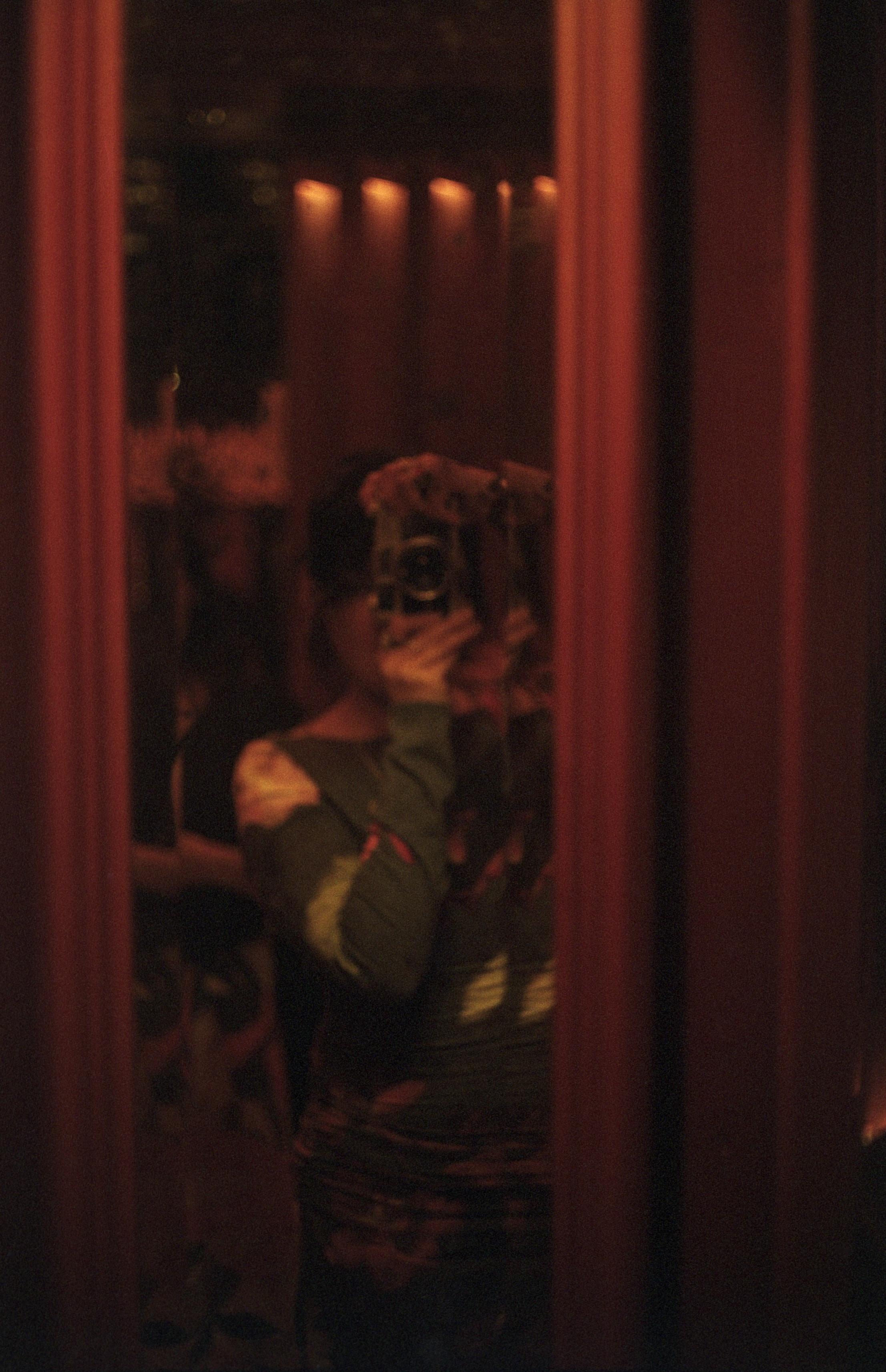
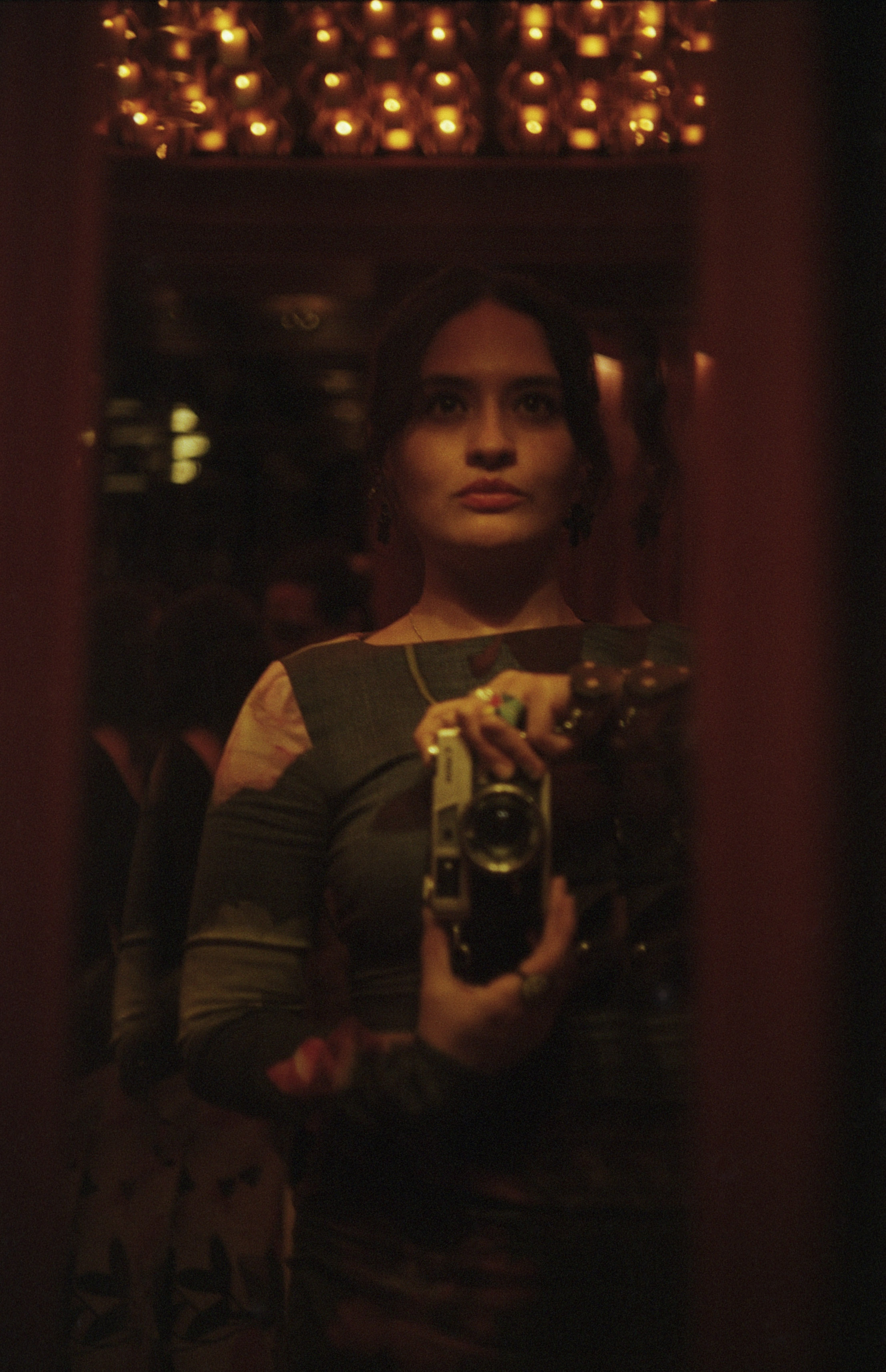
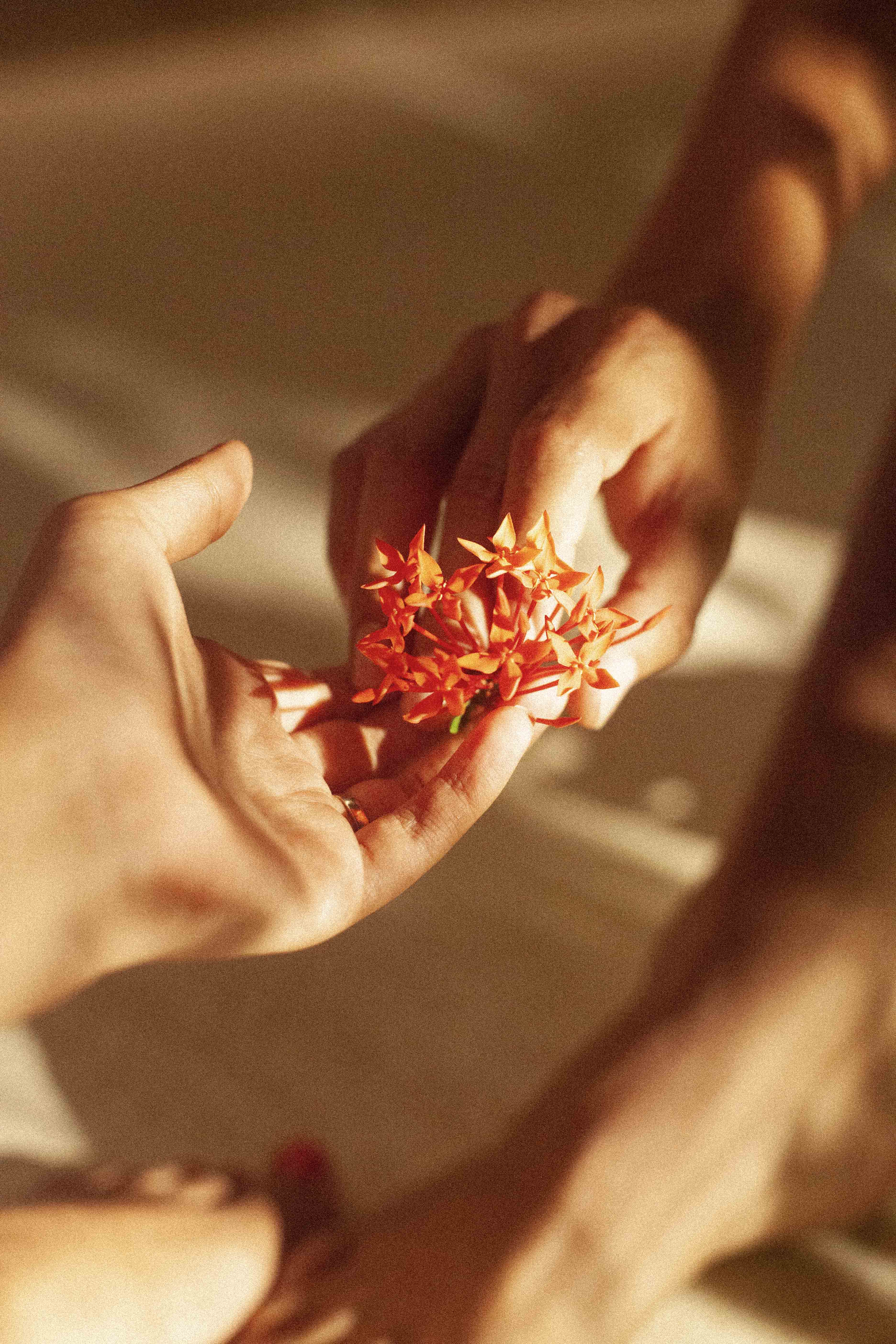



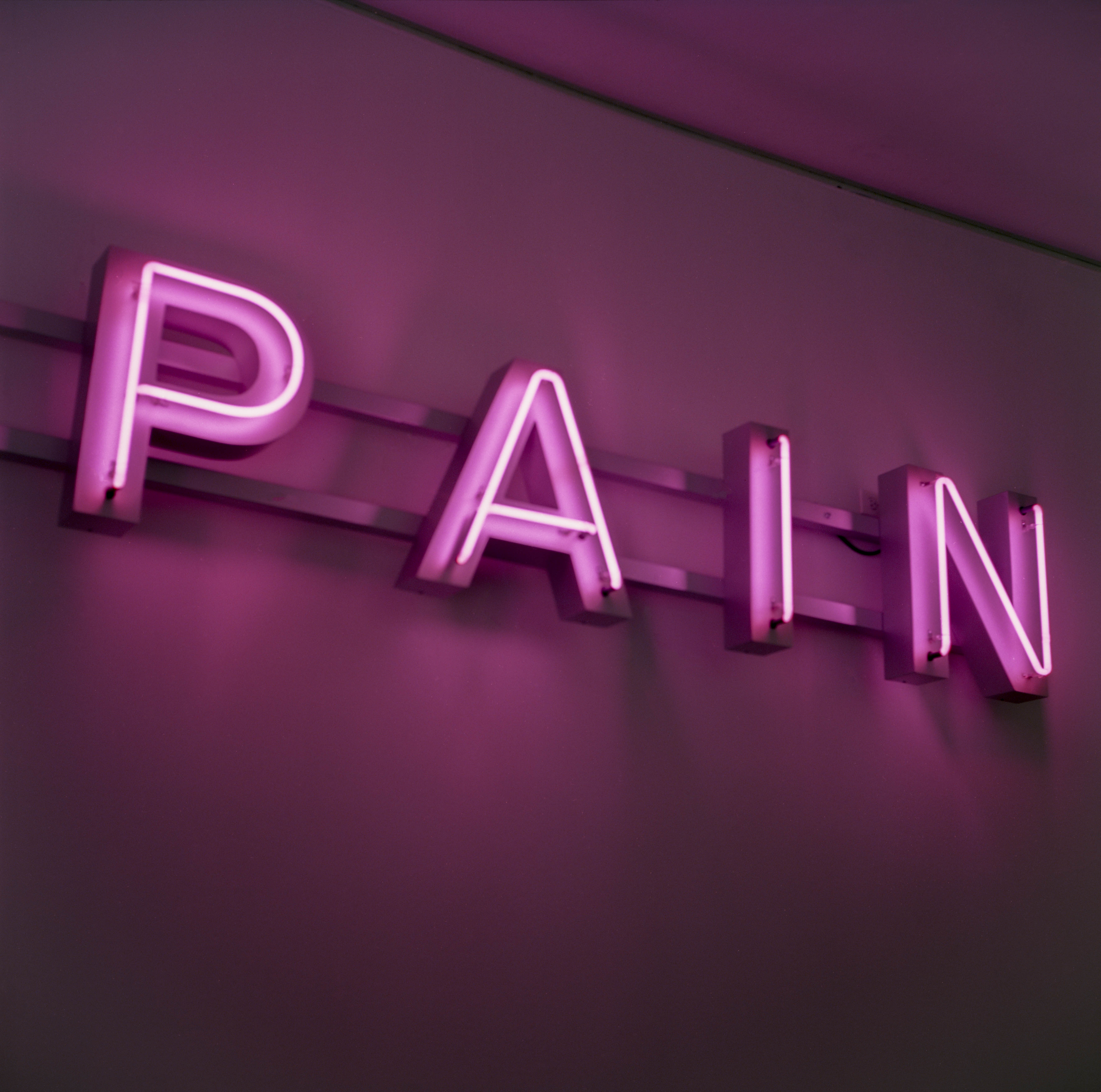
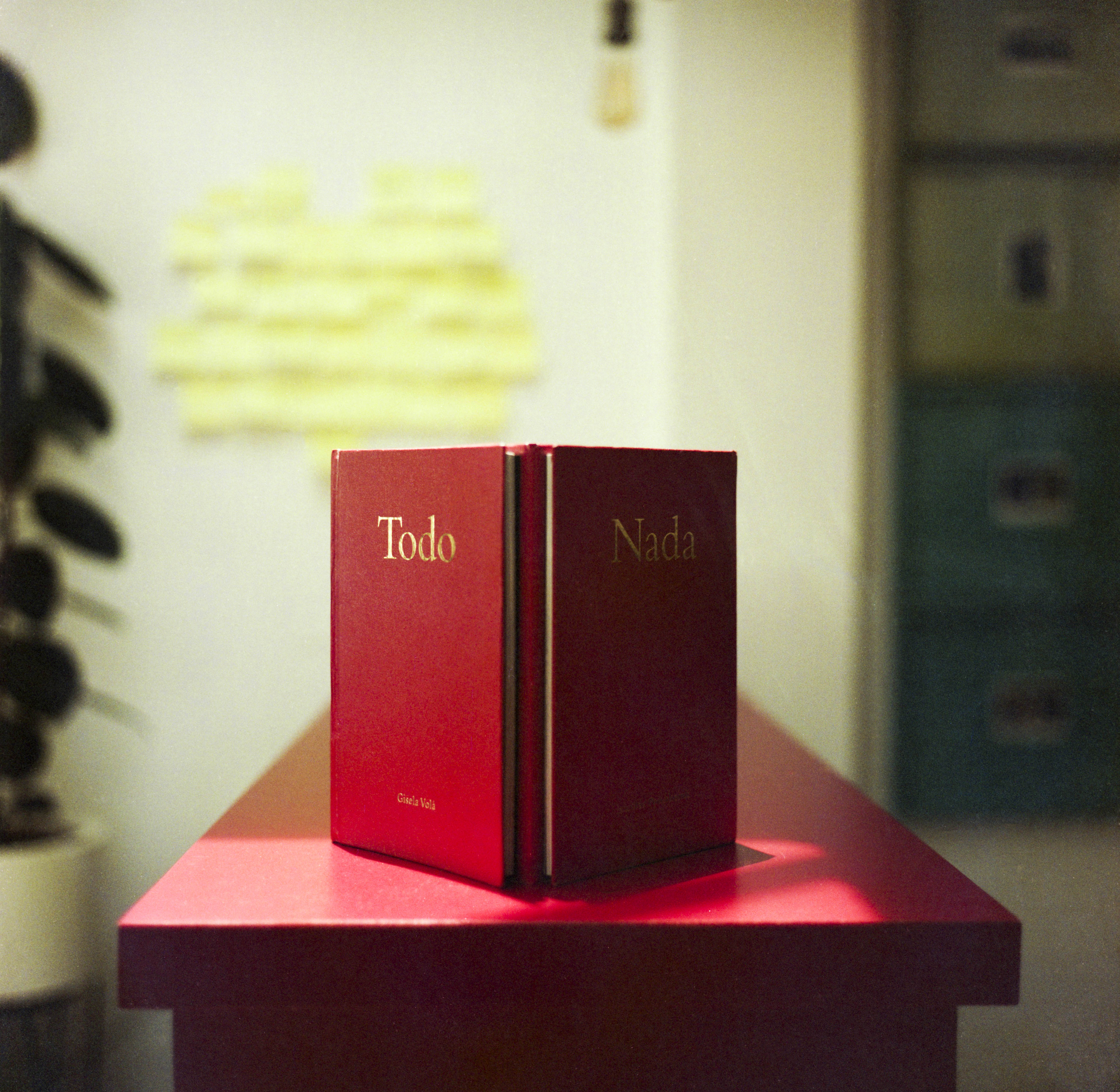
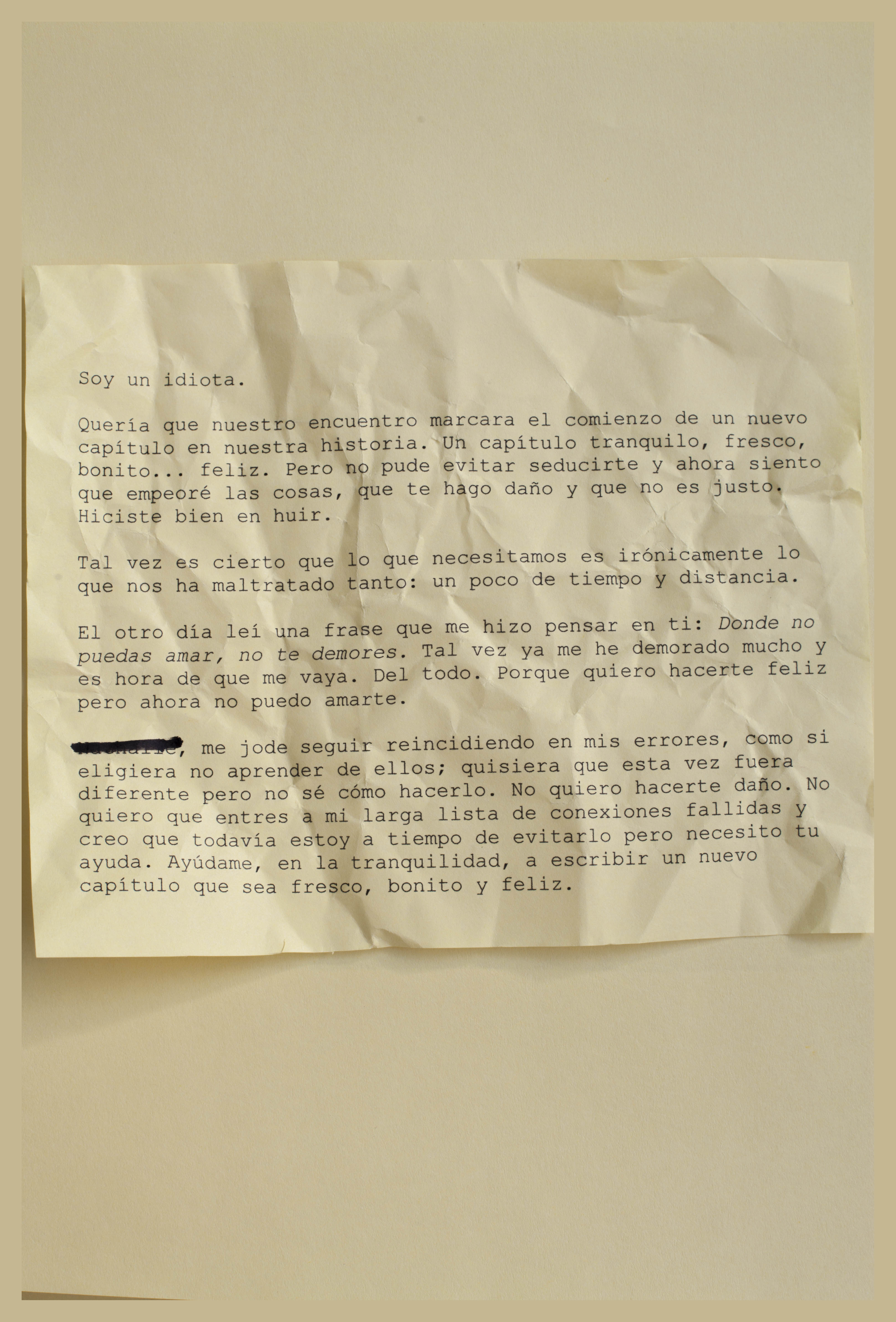

Eros is a project that seeks to reflect on the narratives of intimacy and the ways in which we represent human bonds. It stems from a personal archive built from postcards, internet printouts, book fragments, and a red stamp reading EROS, which I used to mark each image as if tracing signs of affection, beauty and love. Over time, Eros became a layered space where historical visual references and my own photographs coexist. I use personal experiences to explore certain questions about my own relationships and affections. Starting with a photograph I took of my parents holding hands, and a photograph of the lake where my moms ashes rest. I believe that from individual experience we can trace symptoms of social tensions that affect us collectively.
The project recognizes that social constructions around love, beauty, and relationships emerge from narratives shaped by both language and images, stories we inherit, repeat, and eventually reaffirm, reinforcing certain ideas, gestures, and canons of the affective and the aesthetic. Eros proposes rereading and challenging these imaginaries, revealing how intimacy, and also what we consider beautiful, is constructed, imagined, and transformed. It acts as a mirror with memory to see one self, and as my own story merges with the found images I am thinking of the self as a construction not as a result of someone else's desire, what's in between those two images of my parents holding hands and my moms ashes resting in the lake its my own story, identity and desire.
I recognize that, as women, we have often been denied the right to name ourselves and our own stories. I want to address this, because even though some social changes are happening around this issue, it has never been easy, first, because it takes time to truly see oneself, and second, because it requires the courage to name it aloud. In my case, the archive became the door, the path that opened up countless questions about myself, allowing me to see more clearly that we are shaped not only by our choices but also by social tensions. I like to believe that building a personal archive can be liberating for all of us, an archive we can engage with, converse with, and use to negotiate the course of our own story, adding photographs and materials that allow it to evolve as a living writing exercise.
This archive invited me to revisit the images that have shaped my ideas of love, affection, and beauty, exposing the persistence of certain models. By questioning these established representations, the project opens space for photography and the archive to act as documents that can transform our narratives and our lives.